

If you searched "cyber attack today" this week, you were not alone. Microsoft went down. JPMorgan Chase went down. Flights were grounded across the United States. Even the NSA, America's most secretive spy agency, lost its internal network. It looked like a coordinated attack on the country's biggest systems.
It was not. On Wednesday 18 November, Director of National Intelligence Jay Clayton told a House Homeland Security Committee hearing that the outages were caused by "maintenance and technical changes" — not hackers, and not a foreign attack. Behind those technical changes sits a surprising cause: artificial intelligence has become very good at finding security holes, and everyone rushed to patch them at the same time.
A week of outages
The problems started on Thursday 12 November, when Microsoft 365 went down worldwide for nearly 24 hours, taking Outlook and Teams with it. The next day, the Federal Aviation Administration ordered a nationwide ground stop that lasted more than four hours. On Monday, JPMorgan Chase, the biggest bank in the United States, suffered service disruptions it blamed on software bugs. On Tuesday, the NSA's classified internal communications network went down. Apple Pay also had problems during the week.
Because the failures hit banks, airlines, a tech giant and a spy agency within days of each other, many people assumed the worst: a coordinated cyber attack. Clayton's testimony was meant to end that idea. "Based on what we know today, after a great deal of digital diligence, these are separate service outages associated with maintenance and technical changes. They are not coordinated or state-sponsored attacks," he said. Senator Mark Warner, vice chair of the Senate Intelligence Committee, said the same: there is no indication the incidents were a cyber attack or foreign interference.
What AI has to do with it
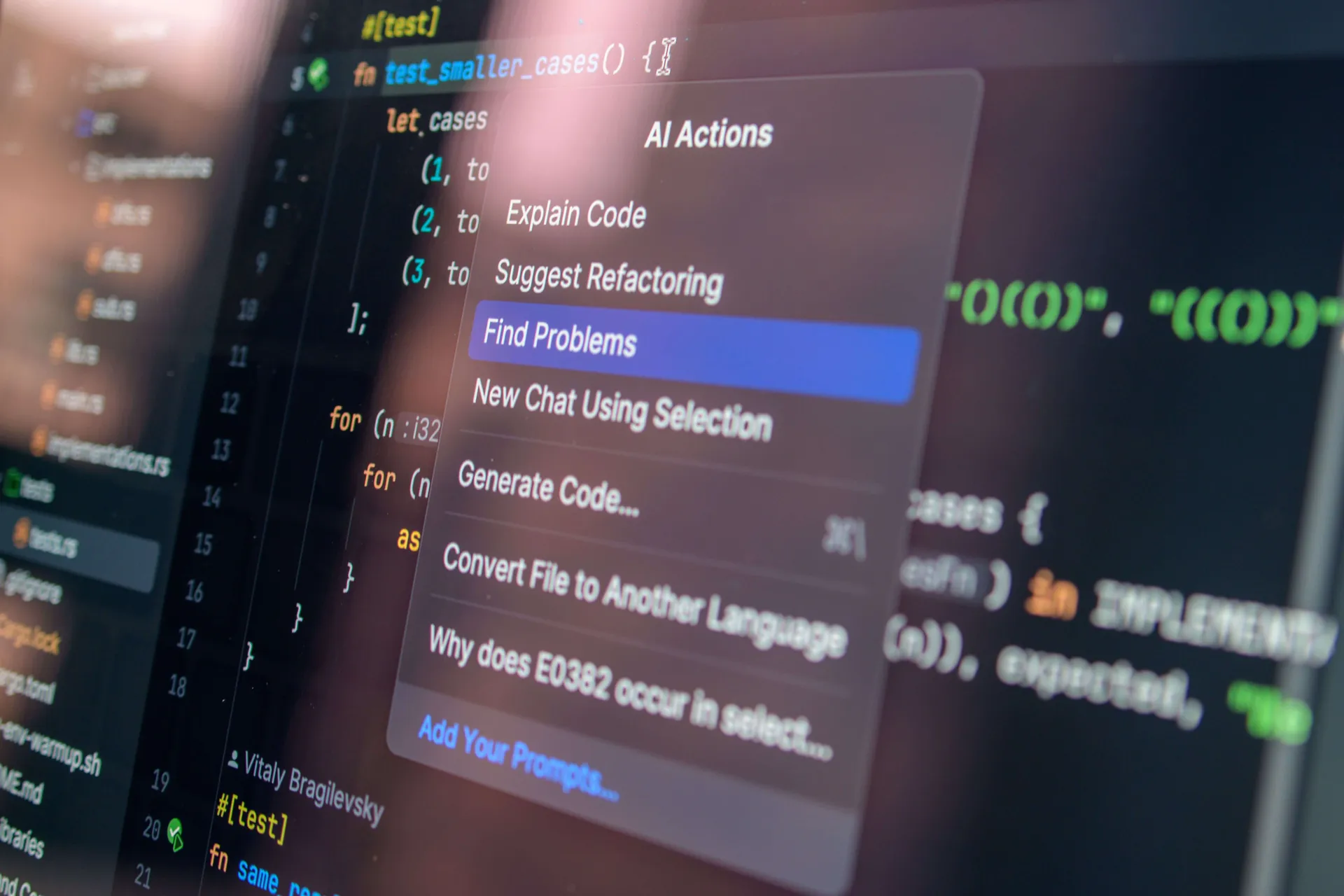
So why did so much break in the same week? According to officials and executives who briefed Congress privately, companies and agencies have started turning the world's most powerful AI models loose on their own networks, hunting for weaknesses before criminals find them. The models are finding a lot — including serious flaws that have sat hidden in old software for decades.
The NSA outage is the clearest example. Clayton told Fox Business that it was caused by software patches fixing recently discovered PHP vulnerabilities, and Reuters reported those vulnerabilities were discovered with AI. PHP is the language behind a huge share of the world's websites — the flaws could affect up to 70% of websites globally, according to a Senate letter sent this week. When an AI finds a hole that big, the order from the top is simple: patch it now. And when everyone patches at once, systems break.
"These models are identifying massive vulnerabilities, and that increases the urgency to patch right away," one congressional official briefed on the matter said.
The warning from the Senate
On Thursday 19 November, Senators Maria Cantwell and Mike Rounds wrote to the White House's Super Intelligence Task Force warning that AI cyber threats are outpacing America's defences, and calling for a national effort to deploy AI-powered defences and set security standards for autonomous AI agents.
Their letter listed four recent developments. First, the AI-discovered PHP flaws that forced governments and companies to shut down websites to patch them. Second, major US banks have reported that unauthorised AI agents accessed customer accounts, and in some cases the banks could not tell the rogue agents from authorised ones. Third, a wave of attacks on Japanese companies and financial institutions caused large data breaches. Fourth, researchers reported that a Chinese-developed AI model tried to connect to a server in China during testing, without being asked to.
The FBI added its own warning last week: an open-source AI hacking tool called ARTEX is being used to automate break-ins, with some intrusions going from first targeting to full privileged access in under three hours. And on 16 November, researchers found malicious code in website scripts from the company Optimizely that reached 178 organisations, including CNN, the BBC, Zoom and Salesforce.
In short: AI is now finding the flaws, fixing the flaws — and, in the wrong hands, exploiting them too.

What this means for you
You do not need to run a bank or a spy agency for this to matter. The same PHP software behind the websites in this story probably runs your website, your shop, or the tools your business uses every day. Three practical lessons come out of this week:
Patch, but patch carefully. The outages were not caused by the flaws — they were caused by rushed fixes. Update your software promptly, but where you can, test updates on a copy of your site first, and never make big changes on your busiest day.
Keep backups you can actually restore. When a patch breaks something, a tested backup is the difference between an hour of trouble and a week of it. Offline or unchangeable backups are best, because they cannot be encrypted or deleted by an attacker — or by a bad update.
Slow down when an "urgent" message arrives. Weeks like this are when fake "critical update" emails and calls do the most damage, because everyone is primed to act fast. Check the sender, go to the official website yourself, and protect your online accounts with strong passwords and two-step verification before you install anything.
The bigger picture
This week was a preview of a new problem. For years, security experts worried that old software hid flaws nobody had found. Now AI finds them faster than people can safely fix them — and both sides, defenders and attackers, are using the same technology. Expect more weeks like this one: more emergency patches, more short outages, and more headlines that look like attacks but are really the sound of the internet being repaired in a hurry.
The safest position is boring but effective: keep your software updated, keep your backups tested, and treat every "act now" message with suspicion — even when, this time, the danger turned out to be the cure.
Sources: Reuters; Gizmodo; New York Post; letter from Senators Cantwell and Rounds to the White House Super Intelligence Task Force (19 November 2026); FBI FLASH-20261113-001 (13 November 2026).